

How Vision Problems Affect School Performance and Daily Activities
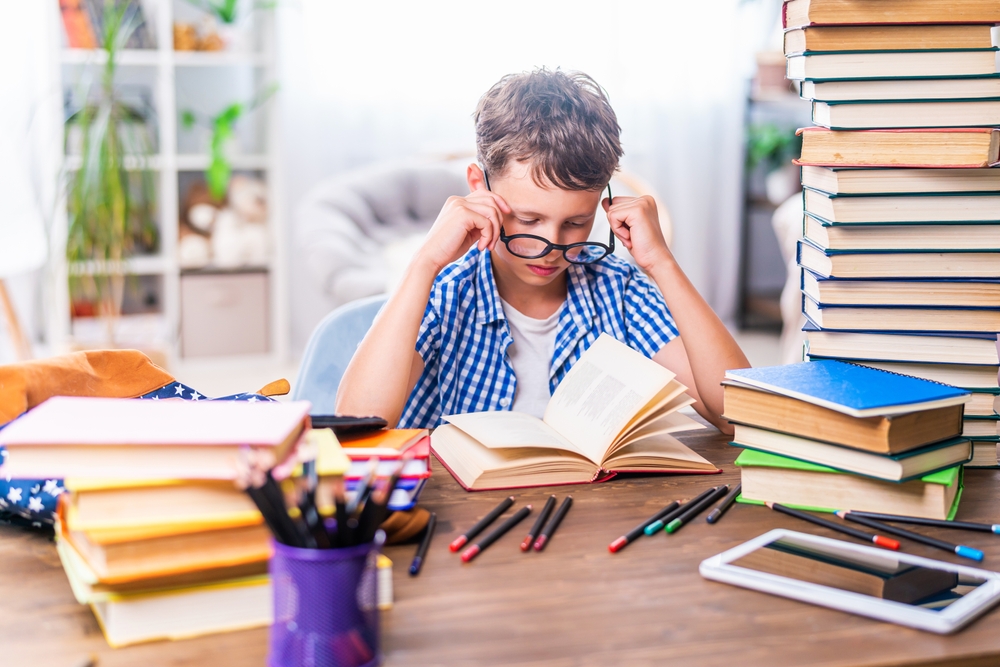
Clear vision plays a critical role in how children learn, play, and interact with the world around them. When vision problems go undetected, they can quietly interfere with a child’s academic success, confidence, and daily activities. Many children don’t realize they aren’t seeing clearly - making regular pediatric eye exams essential for healthy development.
The Connection Between Vision and Learning
Most classroom learning is visual. Children rely on their eyes to read books, see the board, use digital screens, and follow along with lessons. Vision problems can make these tasks difficult, leading to:
Trouble reading or slow reading speed
Difficulty copying notes from the board
Short attention span or frequent distractions
Avoidance of schoolwork
Poor comprehension or declining grades
When a child struggles visually, it may be mistaken for a learning or behavioral issue. In reality, correcting a vision problem can dramatically improve focus, participation, and academic confidence.
How Vision Issues Impact Daily Activities
Vision challenges don’t stop at the classroom door. They can also affect everyday activities such as:
Playing sports or participating in physical activities
Hand-eye coordination tasks like catching a ball or writing
Screen use for homework or entertainment
Social interaction and confidence with peers
Children with uncorrected vision problems may appear clumsy, frustrated, or withdrawn, which can affect self-esteem and overall well-being.
Common Eye Conditions in Children
Several vision conditions commonly affect children and can interfere with learning and daily life if left untreated:
Nearsightedness (Myopia): Difficulty seeing distant objects clearly, such as the classroom board
Farsightedness (Hyperopia): Trouble focusing on close-up tasks like reading
Astigmatism: Blurred or distorted vision at all distances
Amblyopia (Lazy Eye): Reduced vision in one eye that doesn’t improve without early treatment
Strabismus (Eye Misalignment): Eyes that cross or drift outward, affecting depth perception
Why Regular Pediatric Eye Exams Are Essential
Children’s eyes develop rapidly, and vision changes can occur without obvious symptoms. School vision screenings are helpful but limited - they may miss subtle or developing issues. Comprehensive pediatric eye exams evaluate not just clarity of vision, but also eye health, eye coordination, focusing ability, and visual processing skills.
Routine eye exams help ensure that your child has the visual tools needed to succeed both academically and socially, and they allow eye care professionals to address concerns before they interfere with learning and development.
Schedule Your Child’s Eye Exam Today
Clear vision supports confidence, independence, and success in school and beyond. By prioritizing regular pediatric eye exams, parents can play an important role in helping their children reach their full potential.
Contact Precision Eye Care to schedule a pediatric eye exam and give your child the clear vision they need to learn, grow, and thrive. Visit our office in Greenville, South Carolina, or call (864) 754-0212 to book an appointment today.
MAP
© 2026 Precision Eye Care. All Rights Reserved. Accessibility Statement - Privacy Policy - SMS Terms of Service - Sitemap
Powered by: 