

Scleral Lenses vs. Traditional Lenses: Understanding the Differences
Scleral Lenses vs. Traditional Lenses: Understanding the Differences
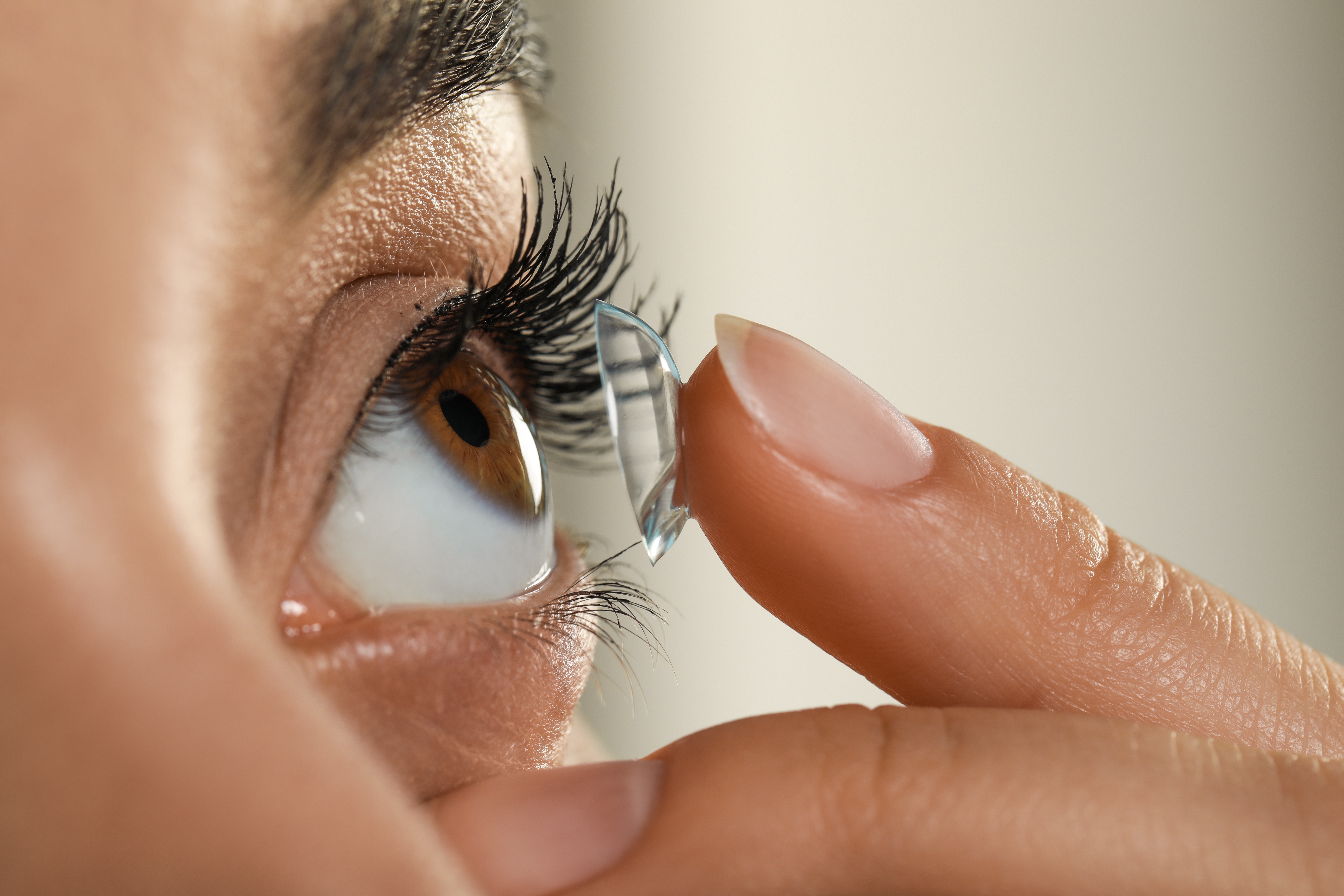
If you wear contacts, you know they come in different types. Soft lenses are the most common. There are also rigid gas-permeable lenses. And then there are scleral lenses. Each one works a little differently. Knowing the difference helps you choose what is right for your eyes.
What Are Traditional Contact Lenses?
Traditional contact lenses include soft lenses and standard rigid gas-permeable lenses. Made of flexible plastic, soft lenses sit right on the cornea, the clear front part of your eye. These lenses fix common problems like nearsightedness, farsightedness, and astigmatism. Smaller in size and able to retain their shape, standard rigid gas-permeable lenses also rest on the cornea. For some people, these lenses can provide sharper vision.
What Are Scleral Lenses?
Scleral lenses are larger and made of rigid material. They do not touch the cornea. Instead, they arch over it and rest on the sclera, which is the white part of your eye. This creates a small space between the lens and your cornea. That space fills with saline solution, keeping your eye wet all day.
Understanding the Differences
- Where They Sit
Where they sit makes a big difference. Traditional lenses touch your cornea. Scleral lenses arch over it and rest on the sclera.
- Size
Traditional lenses are smaller, usually measuring eight to fourteen millimeters across. Scleral lenses are larger, ranging from fifteen to twenty-four millimeters, and they cover more of your eye.
- Comfort
Traditional lenses are comfortable for most people with healthy eyes. However, if your eyes are sensitive or tend to be dry, scleral lenses might feel better because they do not touch the cornea.
- Vision Quality
Scleral lenses smooth out the surface for light, which helps if you have an irregular cornea from keratoconus. Traditional lenses just do not handle those cases as well.
- Eye Moisture
Traditional lenses can sometimes make dry eyes feel worse. Scleral lenses help keep your eyes moist by keeping saline on your eyes throughout the day.
- Stability
Scleral lenses are stable because they are larger and rest on the sclera, so they rarely move or fall out. Traditional lenses can shift, especially during sports or physical activity.
- Getting Fitted
Getting fitted for traditional lenses is simple. Any eye doctor can usually do it. Scleral lenses are different. They need detailed measurements and corneal mapping to achieve the perfect fit.
- Cost
Traditional lenses are less expensive. Scleral lenses cost more because they are custom-made and require a specialist fitting.
- Putting Them In
Traditional lenses are easy to put in and take out. Scleral lenses require a bit of practice, since you need to fill them with saline before inserting them.
- Cleaning
Traditional lenses need to be cleaned regularly. Scleral lenses require even more care, as their larger size and saline reservoir can collect buildup if not cleaned properly.
- Who They Are for
Traditional lenses are a good choice for people with healthy eyes and common vision needs. Scleral lenses are better for those with keratoconus, severe dry eyes, corneal scars, or who have had eye surgery. If regular lenses are not working for you, scleral lenses could be a solution.
To learn more about the differences between scleral and traditional lenses, visit Precision Eye Care in Greenville, South Carolina. Call (864) 754-0212 to schedule your appointment.
https://www.vision-institute.com/scleral-lenses-vs-traditional-contact-lenses-pros-and-cons/
https://www.springtso.com/scleral-lenses-vs-traditional-contacts-which-is-right-for-you.html

MAP
© 2026 Precision Eye Care. All Rights Reserved. Accessibility Statement - Privacy Policy - SMS Terms of Service - Sitemap
Powered by: 